Read More
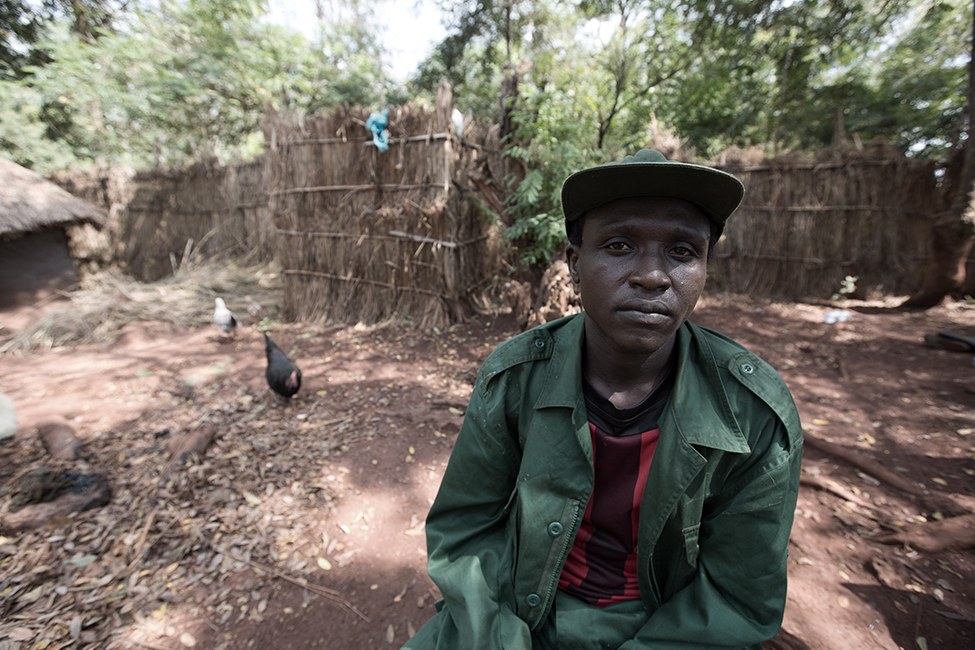
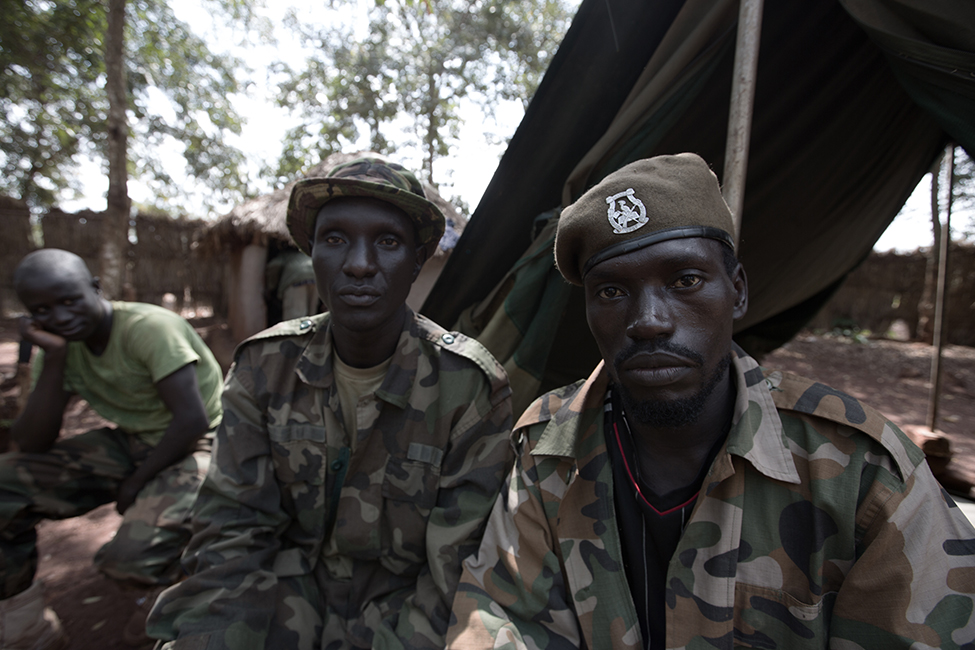
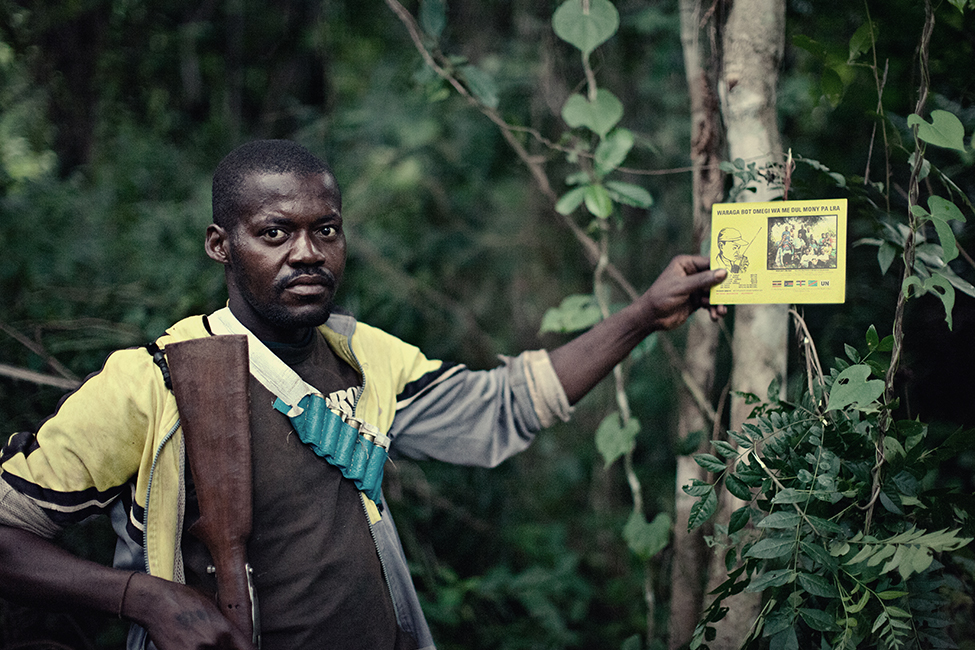
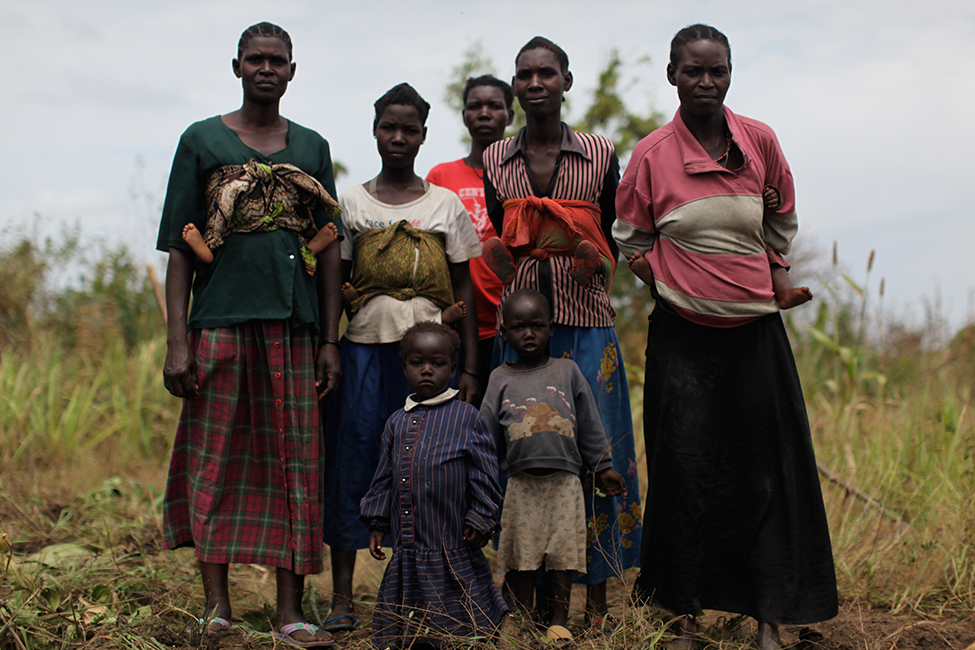
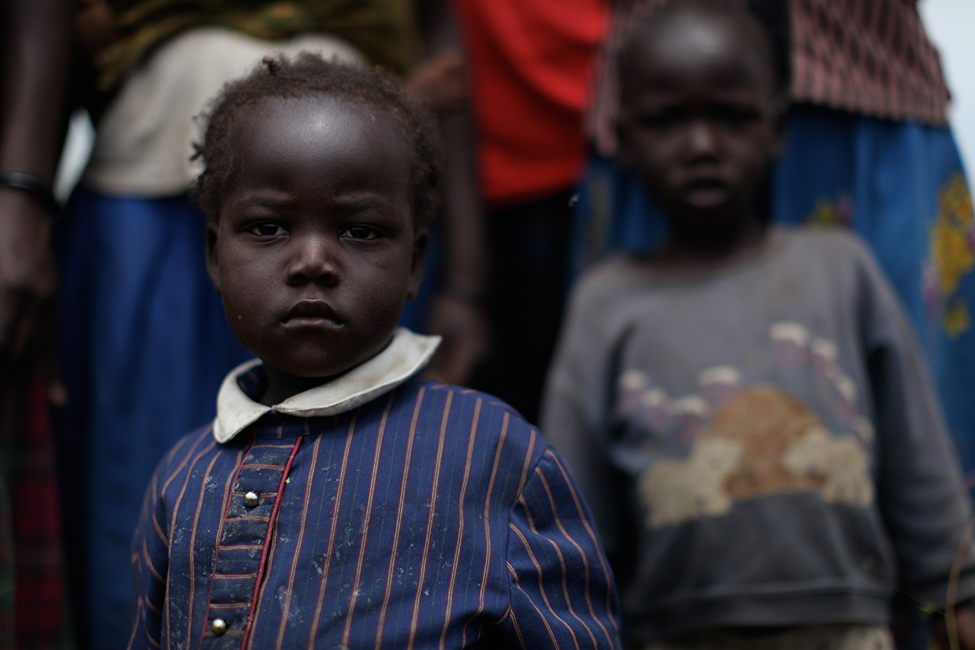
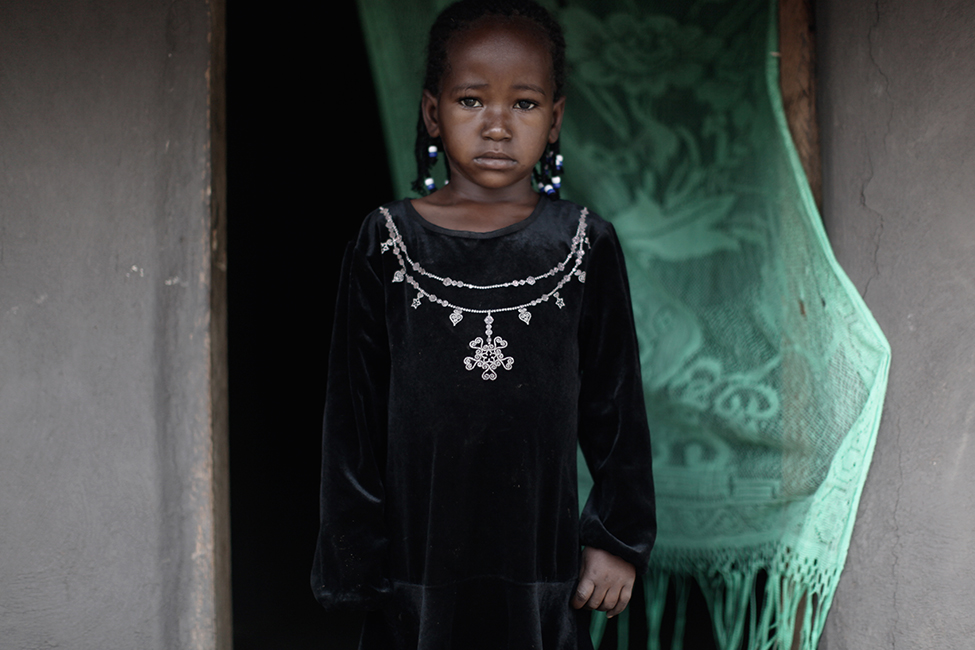
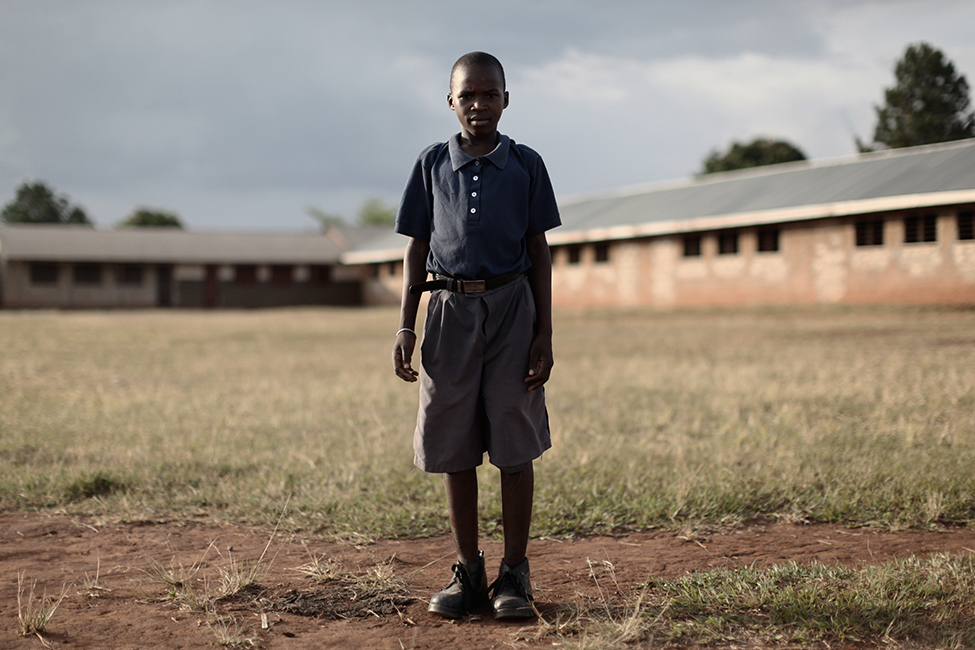
Starting in 1996, the Ugandan government, unable to stop the LRA, required the people of northern Uganda to leave their villages and enter government-run camps for internally displaced persons (IDPs). These camps were supposedly created for the safety of the people, but the camps were rife with disease and violence. At the height of the conflict, 1.7 million people lived in these camps across the region. The conditions were squalid and there was no way to make a living. Thus, a generation of Acholi people were born and raised in criminal conditions.
The LRA terrorized northern Uganda for two decades when, in 2006, they indicated an interest in peace negotiations. These were hosted by Juba, Sudan (now South Sudan), and dubbed the Juba Peace Talks. Meanwhile the LRA set up camp in Garamba National Park in northeastern Congo, gathering its strength and stockpiling food. There is significant evidence that Kony ordered his fighters to attack villages and abduct children in the Democratic Republic of Congo (DR Congo) during the Peace Talks.
In August of 2006, a Cessation of Hostilities agreement was signed by the LRA and the government of Uganda. The talks took place over the course of two years. Joseph Kony sent a delegation to negotiate on his behalf, but when the Final Peace Agreement was ready to be signed, Joseph Kony repeatedly postponed the date of signing or failed to show up. Most notably, he failed to show up to sign the Final Peace Agreement with the Government of Uganda in April 2008 and November 2008. It is believed that Kony may have entered peace talks as a means of resting and regrouping. The entire time that the LRA was involved in peace talks, they were provided with food, clothing, and medicine as a gesture of good faith.
In December 2008, when it became clear that Kony wasn’t going to sign the agreement, Operation Lightning Thunder was launched. It was the coordinated effort of Uganda, Democratic Republic of Congo, the Central African Republic, and Sudan, with intelligence and logistical support from the United States.
The operation failed. Joseph Kony somehow learned of the attack in the hours before the air-raid and was able to escape. In retribution for the attempted attack, the LRA, led by ICC-indictee Dominic Ongwen, attacked villages in the DR Congo on December 24, 2008, killing 865 civilians and abducting 160 more over the course of two weeks. The LRA fighters were reportedly instructed to target churches, where people would be gathered with their families for Christmas Eve services.
A year later the LRA reprised the Christmas massacres in the Makombo region of northeastern Congo as a reminder of their powers of destruction. These attacks took place over four days, from December 14-18, 2009. This time they killed 321 people and abducted 250.
Because of the remote location of the Makombo massacres in December 2009, the outside world knew nothing about the attacks until three months later. Human Rights Watch broke the news internationally on March 28, 2010.
Since Operation Lightning Thunder, the LRA has functioned in small, highly mobile units across the porous border regions of DR Congo, the Central African Republic, and South Sudan. The African Union is leading counter-LRA efforts, with a large military contingent from Uganda. These efforts are assisted by U.S. military advisors, who have been present in the region since 2011. This advisor mission was expanded in March 2014 to include the use of four V-22 Ospreys, and the cap on U.S. personnel tripled from 100 advisors to a maximum of 300.
Think people should hear about this?